
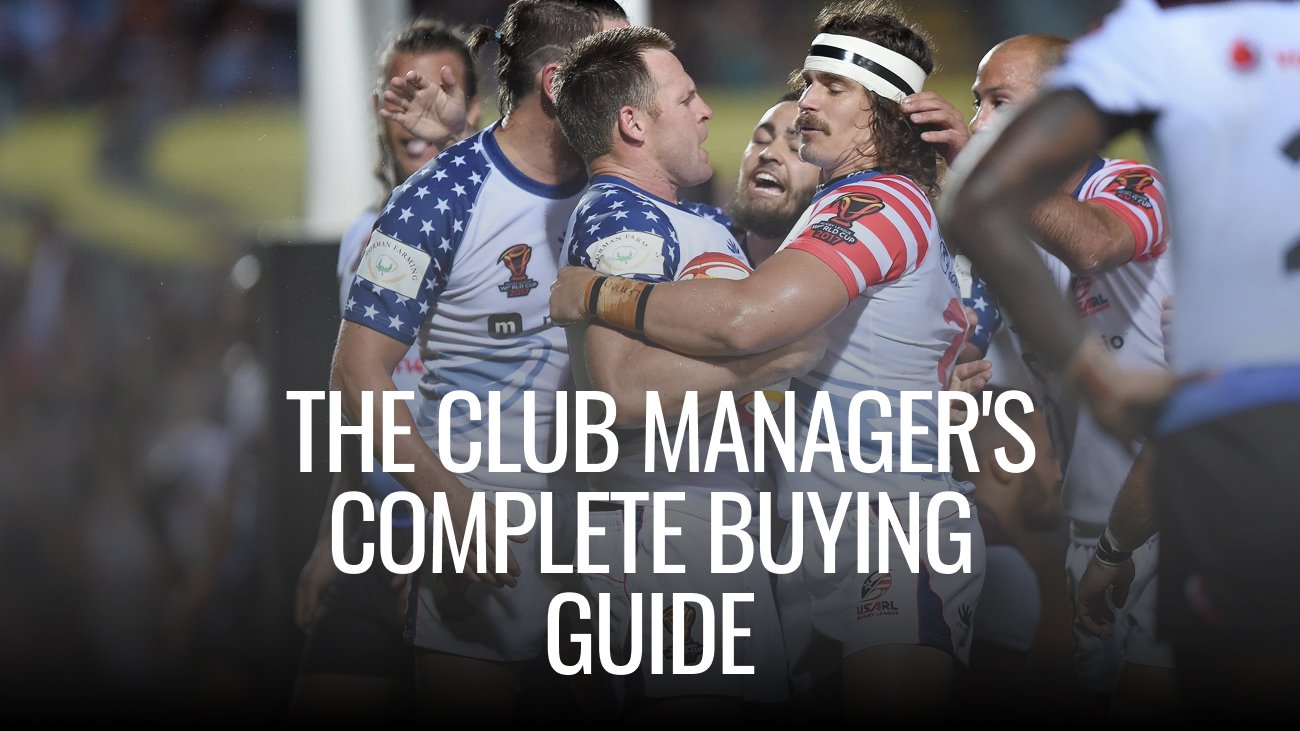

Every club manager faces the same moment: the season is three months out, the squad has grown, and the kit is overdue. Custom rugby uniforms are not a last-minute decision. The teams that get it right start early, brief clearly, and choose a manufacturer who understands that rugby kit takes real punishment — from the first scrum of the season to the last tackle of the final.
This guide walks you through every stage of the process — from fabric selection to final delivery — so you order with confidence.
Why the Right Rugby Kit Is a Performance Decision, Not Just an Aesthetic One
Rugby is one of the most physically demanding contact sports on the field. A poorly constructed jersey tears at the collar by week four. Shorts cut from the wrong fabric restrict movement in a breakdown. Socks that don’t hold position mid-game become a distraction.
The right custom rugby uniform is built to absorb contact, hold shape under pressure, and keep players focused on the game — not the kit.
👉 Explore our full Custom Rugby Uniform range
Rugby Union, Rugby League, or Rugby 7s — Does the Kit Specification Change?
Yes — and the differences matter more than most clubs realise when placing an order.
Rugby Union and League (15s)
Union and league jerseys are built for sustained contact. Forwards — props, hookers, locks — need reinforced collar stitching, strengthened shoulder seams, and optional grip panels on the chest and forearm. These features prevent opponents from gaining purchase during scrums and mauls.
Backs can typically wear a lighter, more athletic-cut jersey. The priority shifts from grip resistance to unrestricted movement through the hips and shoulders.
In our manufacturing process, we cut forwards and backs jerseys from the same sublimated fabric panels — but we specify collar reinforcement and seam construction based on the position group. A well-written brief flags this early.
Rugby 7s Kit
Sevens demands a lighter, faster-cut jersey. Tournament calendars are fixed, entry deadlines are firm, and kit registration is often mandatory.
The practical difference: 7s clubs should specify a lighter fabric weight — 140–160gsm — and a tighter athletic cut to reduce drag and maximise speed. More critically, 7s orders carry tighter timeline pressure. If you are ordering kit for a specific tournament, 10–12 weeks out from your first match is the safe window.
👉 Read our Custom 7v7 Uniforms page for related kit options
What Goes Into a Complete Custom Rugby Kit?
A full matchday kit typically covers four categories. Each can be ordered separately, but ordering as a coordinated bundle ensures a consistent colourway, sizing run, and production management across every item.
- Match Jersey — primary customisation focus; full sublimation, player names and numbers, club crest, sponsor logos
- Rugby Shorts — elasticated waistband, reinforced seams, matching colourway; sublimation or block colour
- Rugby Socks — knee-high, compression-fit, team colours; often overlooked but flagged at kit inspections
- Warm-Up and Training Tops — hoodies, track jackets, training vests; secondary layer for squad identity off-field
👉 View our full Bespoke Custom Sportswear range for training kit options
The Fabric Decision: What Every Club Manager Needs to Know
Fabric is the most consequential decision in a custom rugby kit order. Most clubs focus on design first and fabric second. We recommend the opposite.
100% Polyester vs. Polyester-Spandex Blends
The two dominant fabric constructions for sublimated rugby jerseys are 100% polyester and polyester-spandex blends — typically 91% polyester and 9% spandex.
100% polyester delivers durability, structure, and colour fidelity across multiple wash cycles. It is the standard choice for traditional-fit jerseys across all club levels.
Polyester-spandex blends add four-way stretch and a closer body fit. They are the preferred choice for pro-fit and athletic-cut jerseys, particularly for backs and 7s squads where movement range is critical.
GSM Guide: Choosing the Right Weight for Rugby
GSM (grams per square metre) determines fabric weight and feel. For rugby, the correct choice depends on climate, playing position, and intended use.
| GSM | Best For |
|---|---|
| 130–160gsm | Rugby 7s, warm climates, backs jerseys |
| 180–200gsm | Standard club jerseys, all-conditions play |
| 220–260gsm | Forwards jerseys, heavy-contact positions |
| 280gsm | Pro-grade performance, grip-panel integration |
We manufacture across all weight ranges from our Sialkot facility. When in doubt, we recommend 180–200gsm as the club-level standard — durable enough for forwards, comfortable enough for backs.
Per World Rugby Law 4: Permitted Clothing, all items of jersey, shorts, and socks must comply with World Rugby Regulation 12. Jersey sleeves must extend at least halfway from the shoulder point to the elbow. Our manufacturing process is designed to meet these specifications as standard.
Why Sublimation Is the Standard for Custom Rugby Jerseys
Sublimation printing bonds dye directly into the polyester fibre using heat transfer. The result: colours that do not fade, crack, or peel — regardless of how many matches the jersey survives.
Screen printing and embroidery have their place on training wear and off-field apparel. For match jerseys, sublimation is the correct choice. It allows full edge-to-edge design, gradient colours, and precise logo placement that screen printing cannot match.
For clubs with a sustainability focus, recycled polyester (rPET) is now a viable alternative for sublimation. According to the Textile Exchange Materials Market Report 2025, recycled polyester now accounts for approximately 9.3 million tonnes of global fibre production — and its use in performance sportswear continues to grow. We can source rPET fabric upon request.
Customisation Options for Your Custom Rugby Jersey
Every element of the jersey is controllable. Here is what you can specify at the brief stage:
- Colours and gradients — unlimited colour combinations, fade effects, geometric patterns
- Club crest and sponsor logos — vector file required (AI or EPS); we handle placement and scaling
- Player names and numbers — included at no extra charge; specify font and placement preference
- Collar style — V-neck, crew, classic collar, reinforced polo collar
- Grip panels — optional chest and forearm rubber grip application for contact positions
- Fit style — pro-fit (tight, athletic cut) or standard fit (looser, comfort-oriented)
- Sleeve length — short, long, or three-quarter options available
👉 View the full Custom Rugby Uniform product page for design options
How to Plan Your Order: A Step-by-Step Timeline
The most common mistake club managers make is treating the kit order as a two-week task. A standard custom rugby kit order — from brief to delivery — runs 8–12 weeks when international shipping is factored in.
Here is a realistic production calendar:
Weeks 1–2: Brief and design
Compile your squad size run, player measurements, logo files, colour references (Pantone or hex codes), and design direction. Submit your brief. An initial design proof typically returns within 3–5 business days.
Weeks 2–3: Design approval and revision
Review the proof with your club committee, kit sponsor, or captain. Most manufacturers allow two revision rounds before additional charges apply. Approve the final proof before production begins.
Weeks 3–7: Bulk production
Our standard production window is 4–6 weeks from final design approval. Fabric is cut, printed, and assembled in Sialkot.
Weeks 7–9: Quality control and shipping
Every order undergoes a pre-shipment quality inspection before despatch. Shipping to the UK, Australia, and USA is typically 7–14 days depending on freight method.
Weeks 10–12: Buffer
Always build two weeks of buffer into your timeline. It covers any revision loop that runs longer than expected or an unforeseen courier delay.
Understanding MOQ, Lead Times, and Budget Planning
One of the most common frustrations for club managers is discovering the minimum order quantity after they have already committed to a supplier.
At Fitmanpro, our MOQ is 50 pieces per design. There is no setup fee, and our free design service is included from the first proof.
Per-Unit Cost Factors
Custom rugby jersey pricing is influenced by four main variables:
- Quantity — unit cost drops meaningfully between 25-50 pieces and 50-100 pieces. Always confirm per-unit pricing at your specific squad size.
- Fabric weight and specification — 280gsm pro-grade fabric costs more per metre than 160gsm club-standard.
- Construction complexity — grip panels, reinforced seams, and bespoke collar options add small per-unit increments.
- Shipping method — air freight is faster; sea freight is more cost-effective for larger orders.
👉 Request a Custom Quote — get your per-unit price confirmed within one business day
How to Write a Strong Kit Brief
A clear brief is the single best thing you can do to reduce revision loops and delivery delays. Here is the information your manufacturer needs before they can produce an accurate quote or design proof:
- Sport and kit type — rugby union, league, or 7s; jersey only or full kit bundle
- Total quantity and size run — list every player’s size including bench and reserves; add 10–15% overage for mid-season additions
- Design files — club badge and sponsor logos in vector format (AI or EPS); high-resolution PNG at 300dpi minimum is acceptable
- Colour references — Pantone codes or hex values; “blue and gold” is not a usable brief
- Player names and numbers — confirm at brief stage; last-minute changes after proof approval cause delays
- Fit preference — pro-fit, standard, or position-specific construction
- Timeline — your first competition date; work backward from there
In our experience, briefs that include all of the above are processed in under five business days. Incomplete briefs average three additional rounds of back-and-forth before production can begin.
What to Look for in a Custom Rugby Uniform Manufacturer
The custom sportswear market is large and quality varies considerably. Here is what separates a reliable manufacturing partner from a problematic one.
They manufacture directly. Middlemen outsource production and lose quality control at every handoff. A direct factory — like our facility in Sialkot, Pakistan — manages every stage of production in-house: fabric sourcing, sublimation printing, cut and sew, and pre-shipment QC inspection.
They show you real work. Ask to see previous rugby kit orders. Design mockups are easy to produce. Production samples with consistent colour fidelity and clean seam finishing are the actual test.
They communicate consistently. A reliable partner provides production updates at key stages — proof approval, production start, pre-shipment QC, and despatch confirmation. Radio silence between order and delivery is a red flag.
They are transparent about MOQ and timelines upfront. If pricing, MOQ, and lead times are not clearly stated before you submit your brief, ask before you proceed.
Frequently Asked Questions
What is the minimum order quantity for custom rugby uniforms?
Our MOQ is 50 pieces per design. This applies to jerseys, shorts, and full kit bundles.
How long does a custom rugby kit order take?
Our standard lead time is 4–6 weeks from final design approval. Including international shipping, plan for 8–10 weeks total.
Do you offer custom rugby kits for both union and league?
Yes. We manufacture for rugby union, rugby league, and rugby 7s clubs. Construction specifications are adjusted based on position requirements and format.
Can I order a sample before placing a bulk order?
Yes. Contact us via WhatsApp or the quote form to discuss sample options for your order.
What file format do I need for my club logo?
Vector files (AI, EPS) are preferred. High-resolution PNG at 300dpi minimum is acceptable. We do not recommend JPEG logos for sublimation printing.
Do you ship to the UK, Australia, and the USA?
Yes. We ship internationally from Sialkot, Pakistan to all major markets including the UK, Australia, USA, UAE, Canada, and Europe.
What is the difference between pro-fit and standard-fit rugby jerseys?
Pro-fit jerseys use a four-way stretch polyester-spandex blend with a tight, athletic cut. Standard-fit jerseys use 100% polyester with a more relaxed, traditional cut. Both are available in all design configurations.
Are player names and numbers included in the price?
Yes. Player names and squad numbers are included at no extra charge.
Ready to Order Your Custom Rugby Uniforms?
Whether you are kitting out a grassroots club for the first time or re-ordering for a squad that has grown, the process starts with a brief.
Contact the Fitmanpro team directly — we will confirm your per-unit pricing, design timeline, and first proof delivery within one business day.
- 📱 WhatsApp (UAE): +971 561 713 653
- 📱 WhatsApp (Pakistan): +923 404 404 425
- 📧 Or submit your brief using the custom rugby kit quote form below
We also manufacture custom soccer uniforms, custom basketball uniforms, custom netball uniforms, and a full range of white label sportswear for teams and brands