The Nature of Luck in Gambling
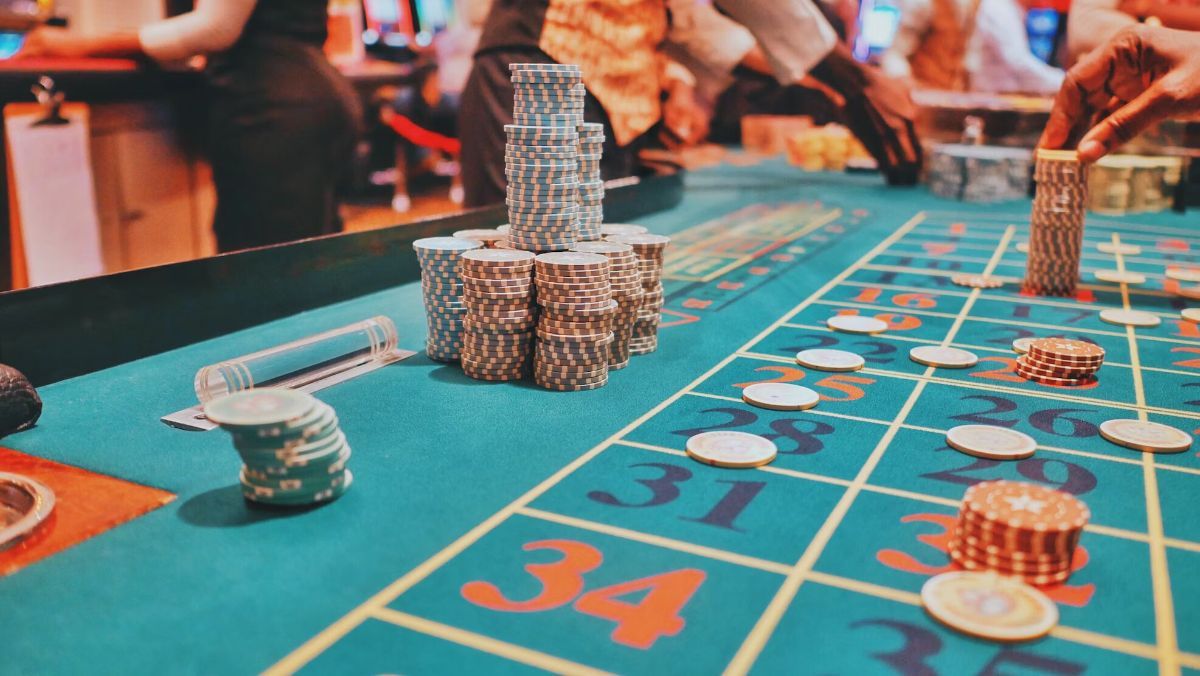
Luck is often viewed as a mysterious force that can significantly impact outcomes, especially in gambling environments like casinos. In a world where odds and probabilities dominate decision-making, luck introduces an unpredictable element that can sway results in a player’s favor or against them. For instance, in a game of roulette, despite the mathematical probabilities of landing on a specific number, it is ultimately luck that determines where the ball will land, making opportunities at a fast withdrawal online casino canada even more enticing. This fundamental unpredictability can make gambling both thrilling and highly volatile.
Moreover, the perception of luck can influence a player’s mindset and approach to the game. Many gamblers believe in superstitions or rituals that they think will bring them good fortune. These beliefs can affect their decision-making processes, adding an emotional dimension to their gambling strategy. The psychological belief in luck can sometimes enhance a player’s confidence, leading them to take risks they might otherwise avoid, believing that fortune is on their side.
Understanding the duality of luck—its randomness and its psychological impact—is key for anyone looking to navigate the casino landscape. While games are designed around a set of rules, the outcomes can still seem arbitrary, reinforcing the idea that luck is an uncontrollable factor in gambling. Players who embrace this concept often manage their expectations and experience casino gaming as a form of entertainment rather than solely as a money-making endeavor.
Luck vs. Skill: A Delicate Balance
In the debate between skill and luck, it’s essential to recognize that both factors play a role in gambling. Certain games, such as poker, heavily rely on a player’s skill set, including strategy, psychology, and the ability to read opponents. However, even in skill-based games, luck can serve as a significant equalizer. A poorly played hand can still win if the cards fall favorably, illustrating that luck can overshadow skill at critical moments. This intersection of luck and skill keeps players engaged, as they must constantly adapt their strategies based on the luck of the draw.
On the other hand, games like slots are purely luck-based, where the outcome is entirely reliant on chance. No amount of strategy or skill can impact the random number generator determining the spin results. In this scenario, players have to accept that their success is based entirely on luck, which can lead to a more exhilarating experience but also a higher risk of loss. This variance highlights the intrinsic nature of gambling, where the balance of luck and skill keeps the games interesting and diverse.
Ultimately, understanding how luck intertwines with skill can help players develop a more rounded approach to their gaming experience. By recognizing when luck is at play, gamblers can make more informed decisions about when to be aggressive and when to play conservatively. This adaptability can enhance their overall enjoyment of the casino, allowing them to savor the excitement that comes from the unpredictable nature of luck, regardless of their skill level.
The Role of Luck in Casino Economics
Luck is not just an individual phenomenon; it plays a significant role in the economic dynamics of casinos themselves. Casinos thrive on the understanding that while individual players may experience moments of winning streaks due to luck, in the long run, the odds are designed to favor the house. This balance ensures that casinos remain profitable, as the inherent luck in gambling can lead to large payouts but is often offset by the consistent house edge across various games. This understanding shapes both marketing strategies and player expectations within the gaming environment.
Moreover, marketing strategies in casinos frequently capitalize on the idea of luck. Promotional campaigns often highlight winners and jackpots, showcasing how luck can dramatically change an individual’s fortunes in an instant. This approach not only attracts customers looking for their lucky moment but also reinforces the casino’s image as a place where anything can happen. The thrill of chance is a compelling draw that keeps players returning, feeding into the cyclical nature of casino economics.
Ultimately, the interplay between luck and casino economics shapes the gaming experience for everyone involved. While players chase their dreams of sudden fortune, the casino maintains a careful balance that ensures it remains a viable business. This synergy between luck and profitability exemplifies why casinos are such alluring environments where the possibility of striking it rich is just a roll of the dice away, creating a vibrant ecosystem that thrives on the unpredictability of fortune.
The Impact of Luck on Player Behavior
Luck significantly affects player behavior, particularly in how individuals approach their gaming sessions. Winning streaks can create a sense of euphoria, leading players to increase their bets and embrace riskier strategies in hopes of sustaining their fortune. This phenomenon, often referred to as the “hot hand,” can create a feedback loop where players continue gambling, driven by the belief that their luck will continue. However, this behavior can sometimes lead to negative consequences, as players may overlook their initial strategy in favor of reckless betting decisions.
Conversely, players who experience bad luck may exhibit entirely different reactions. Losing streaks can lead to frustration, discouragement, and even the decision to quit altogether. Some may also engage in “chasing losses,” where they attempt to recoup previous losses by increasing their bets, a behavior that often leads to further financial loss. Understanding these behavioral patterns is crucial for both players and casinos to promote responsible gambling practices, ensuring that players can enjoy gaming without falling into detrimental habits.
By recognizing the influence of luck on their behavior, players can develop healthier gambling habits. Setting limits and adhering to personal budgets can help mitigate the emotional highs and lows associated with luck’s whims. Additionally, this awareness can encourage a more balanced view of gambling as entertainment rather than a potential for financial gain, enhancing the overall experience and allowing players to engage with the games in a more positive manner.
Embracing Luck for a Positive Casino Experience
To navigate the casino landscape successfully, it’s vital for players to embrace the role of luck while maintaining a realistic perspective on their expectations. Acknowledging that luck will play a part in their outcomes allows players to engage more fully with the experience, celebrating wins while understanding the inherent risks of losses. This balanced mindset can foster a more enjoyable atmosphere, where players appreciate the thrill of the game rather than fixate solely on financial outcomes, transforming their experience into one of adventure and enjoyment.
Furthermore, sharing experiences with fellow players can enhance the sense of community, allowing individuals to bond over shared moments of luck and excitement. Casinos often encourage social interaction, creating an environment where luck can be celebrated collectively. By focusing on the social aspects of gambling, players can derive pleasure from the experience beyond just monetary gains. This communal approach can lead to lasting friendships and unforgettable memories, enriching the overall casino experience.
In conclusion, understanding and embracing luck can significantly enhance a player’s casino experience. This perspective encourages a healthier approach to gambling, allowing for enjoyment without the pressure of solely pursuing profit. Embracing luck as a part of the game ultimately leads to more memorable moments, creating a rich tapestry of experiences for every casino visitor. Adopting this mindset can transform how players engage with the games, making each visit not just a chance for financial gain but a journey filled with excitement and connection.